The premier global event for the industry, the IPM Symposium brings together the science and business communities to share the latest research, strategies, and solutions for effectively managing pests in agriculture communities, and natural areas.
The International IPM Symposium is a premier global event for presenting and learning about the latest research and strategies for effectively managing pests in agriculture communities and natural areas. The symposium is an outstanding networking and professional development event. Past participants have included research; extension; teaching academics; IPM-oriented students; private and government scientists; industry representatives; independent consultants; NGO professionals; policy makers and agency personnel; IPM practitioners from the U.S. and more than 30 countries. Our goal is to develop a truly diverse, multi-discipline, multi-sector international event including agriculture, food, urban and structural IPM, landscape, forestry and public health—including engaging across all disciplines to develop programming for the event.
Our vision is to provide a forum for IPM professionals and practitioners to efficiently and effectively share work, learn from others including event best practices, develop the next generation of professionals and practitioners, develop support networks, facilitate adoption of new knowledge and technology, elevate operating standards, replicate successes, benefit from lessons learned, and recognize peers for accomplishments.
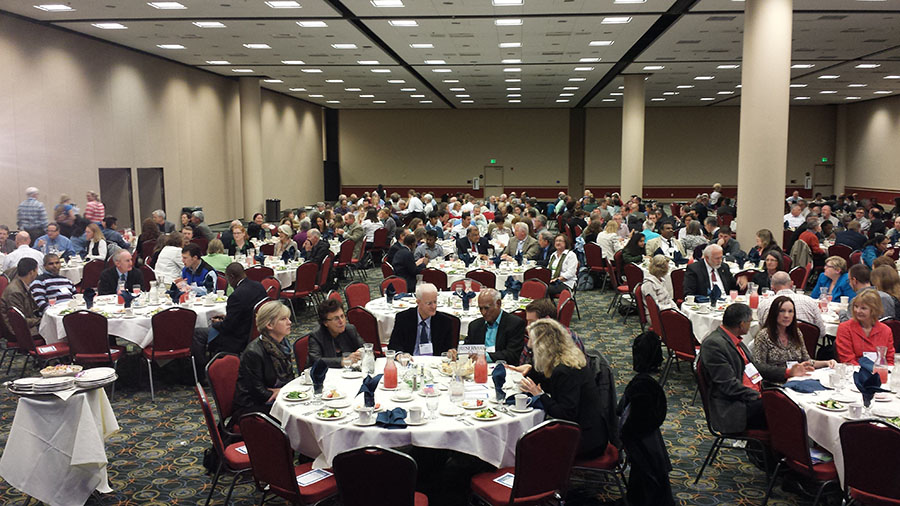
The International IPM Symposium is collaborative project initiated in 1989 to bring scientists from across disciplines together with public policy makers, university and federal agency administrators as well as other key decision makers. Symposia are organized by volunteer committees in collaboration with the National IPM Centers and the IPM Institute.
Engaging Professionals, Encouraging Idea Exchange, and Effecting Pest Management Research and Strategies since 1989.
“Integrated Pest Management (IPM) is a sustainable, science-based, decision-making process that combines biological, cultural, physical and chemical tools to identify, manage and reduce risk from pests and pest management tools and strategies in a way that minimizes overall economic, health and environmental risks. Pests are defined as any organism (microbes, plants or animals) that poses economic, health, aesthetic or environmental risk. Pests are context-specific, so an organism that is a pest in one environment may be benign or beneficial in others.” (National Road Map for Integrated Pest Management, Revised October 24, 2018)
"Ut taciti dapibus porttitor dui aliquet vivamus tempor aliquam consequat erat odio elementum"
Ut taciti dapibus porttitor dui aliquet vivamus tempor aliquam consequat erat odio elementum
Ut taciti dapibus porttitor dui aliquet vivamus tempor aliquam consequat erat odio elementum
Lorem ipsum dolor sit amet, consectetur adipiscing elit.
Ut taciti dapibus porttitor dui aliquet vivamus tempor aliquam consequat erat odio elementum
Ut taciti dapibus porttitor dui aliquet vivamus tempor aliquam consequat erat odio elementum
Ut taciti dapibus porttitor dui aliquet vivamus tempor aliquam consequat erat odio elementum