Meet the distinguished keynote speakers of the 11th International IPM Symposium, five renowned professionals in Integrated Pest Management who will delve into today’s hottest topics, sharing their expertise and innovative strategies for advancing sustainable pest control practices worldwide.
Tuesday, March 4 – 8:00 a.m.
Opening Session
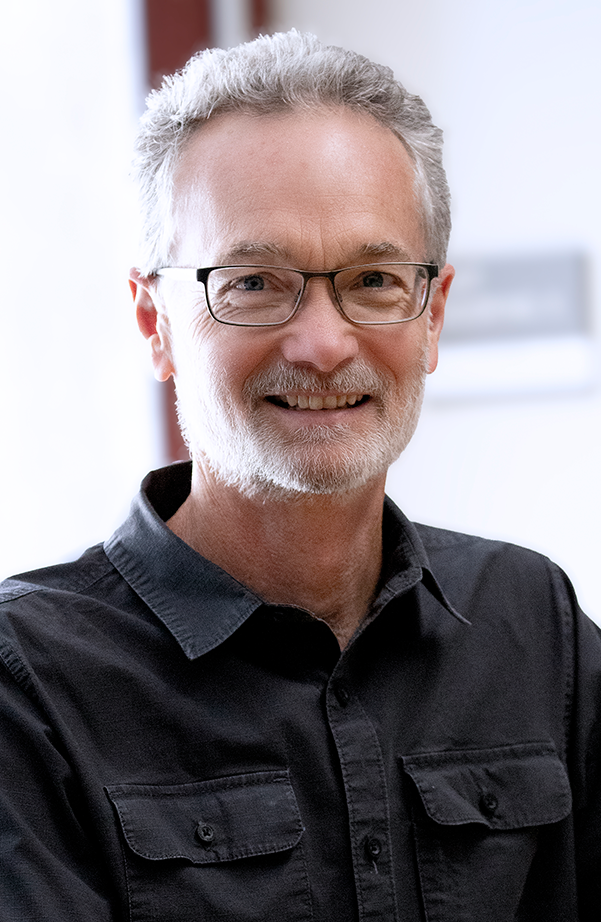
Jim Farrar, Ph. D., is the director of the University of California Statewide Integrated Pest Management Program (UC IPM). UC IPM focuses on practical IPM solutions to address important pest issues in agriculture, communities, and natural areas in California. Previously, Farrar was director of the Western IPM Center, and prior to that, he was a professor of plant pathology in the Department of Plant Science at California State University, Fresno.
Session Abstract: Integrated Pest Management (IPM) has contributed to significant positive impacts benefiting human-health, the environment, and the economy. The need for IPM will continue as climate change, invasive pests, vector-borne diseases, and pest resistance challenge existing, well-functioning IPM programs. Research in IPM is solving real problems in agriculture, urban areas, and natural systems. Educational IPM programs are supporting increased knowledge and adoption by IPM practitioners, resulting in condition changes benefitting us all. There is greater realization of the need to work collaboratively within IPM and with outside groups addressing public health; climate mitigation and resilience; and sustainability and regenerative certifications. There is also a greater realization of the importance of pairing robust science with an understanding of mental processes when developing effective communication with our multiple audiences, which should lead to greater adoption and support for IPM.
Tuesday, March 4 – 1:15 p.m.
Where Biological Control is Foundational to IPM
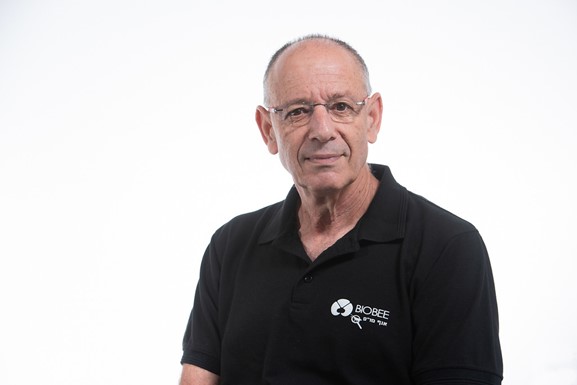
Dr. Steinberg is an Entomologist with a B.Sc. in Biology from Tel Aviv University, an M.Sc. and Ph.D. in Agronomy and Plant Protection from the Faculty of Agriculture at the Hebrew University of Jerusalem, and a Postdoctoral Fellowship at Wageningen Agricultural University in the Netherlands.
Dr. Steinberg has dedicated 35 years to leading the Research and Development at BioBee Sde Eliyahu Ltd. (www.biobee.com) until May 2024. Currently, he focuses on special projects for the company. His expertise lies in the development of mass-rearing systems for beneficial arthropods, including insects and mites, for biological pest control and pollination. Additionally, Dr. Steinberg has extensive experience in the practical field application of beneficial arthropods within biologically-based Integrated Pest Management (IPM) programs across various crops, including protected and open-field vegetables, ornamentals, and fruit trees.
In October 2021, Dr. Steinberg and the R&D team at BioBee received the prestigious Bernard Blum Award from the International Biocontrol Manufacturers Association for the “Best Biocontrol Product of the Year” for their innovative slow-release sachet of the predatory mite Phytoseiulus persimilis.
Wednesday, March 5 – 3:00 p.m.
Integrated Pest Management as a One Health Strategy to Address Human Burden of Vector-Borne Diseases
John Brooke, PhD, MPH is the Director of Regulatory and Data for US Biologic. Dr. Brooke received a Master of Public Health from the Vrije Universiteit Amsterdam and a PhD in Clinical Epidemiology from Utrecht University. He has worked with National and International public health departments in Europe and the U.S. on seroprevalence, notifiable infectious diseases, human dose-response models, and geospatial trends of zoonotic infection pressure combining clinical trial data, real-world data, and big data. He then worked in pharmacogenomics survivorship at St. Jude Children’s Research Hospital using whole-genome sequencing to develop analytics pipelines. Recently, he transitioned into the medical-device industry working for Smith&Nephew where he planned and executed the creation of an Artificial Intelligence Center of Excellence to help the 150-year-old company transition into the digital age. Dr. Brooke has advised several companies with regard to their digital health strategy and enjoys making corporate vision into reality. He has 19 publications, three patents, and two invention disclosures.

Wednesday, March 5 – 8:00 a.m.
Data-driven IPM
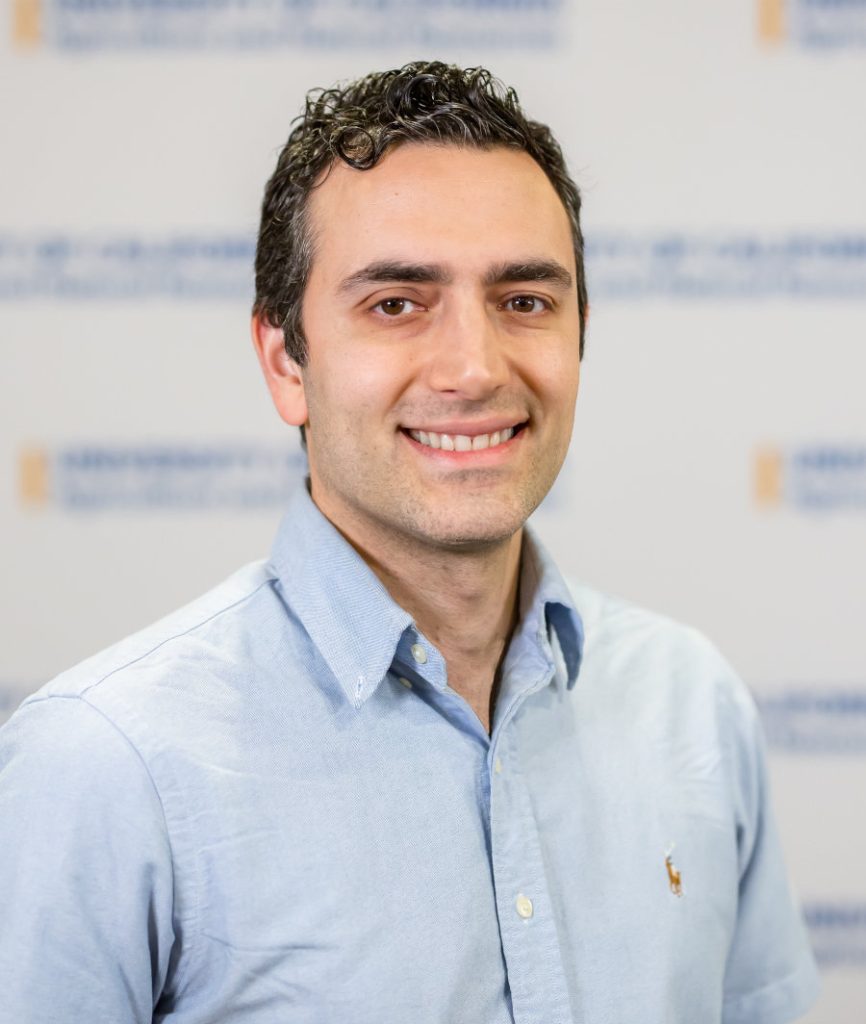
Dr. Taravati is an entomologist with over 13 years of experience in pest control and applied entomology. He holds a Ph.D. degree in Entomology from the University of Florida. He also has a Qualified Applicator License issued by the California Department of Pesticide Regulations (CDPR) and a Field Representative Branch II license from the California Structural Pest Control Board (SPCB). He has experience in agricultural, structural, and public health pest management and leads and manages IPM projects on various urban pests of significant economic and public health importance, including termites, ants, cockroaches, bed bugs, and mosquitoes.
He is a frequent speaker at various California pest control workshops. He provides pest control training to his clientele groups, including structural and non-structural pesticide applicators, housing managers and maintenance supervisors, and public agencies. He also has a strong background in web development and coding and holds a U.S. patent for a shape analysis app. He is the recipient of the 2021 IPM Achievement Award from the California Department of Pesticide Regulation.
Thursday, March 6 – 8:00 a.m.
IPM’s Climate Benefits in Agriculture: What Are They? How Can We Quantify and Generate Incentives to Spur Adoption?
Dr. Patricio Grassini is a Sunkist Distinguished Professor in Agronomy at the University of Nebraska-Lincoln (UNL). Patricio earned a B.S. in Agricultural Engineering from the University of Buenos Aires (Argentina) and a Ph.D. in Agronomy from UNL. He has authored over 100 articles published in international peer-reviewed journals, including top-tier journals such as Nature Communications, Nature Sustainability, Nature Food, and PNAS. Patricio was listed within the top 1% of Most Highly Cited Researchers in the discipline in the world during the last five years (2019-2023), according to the Web of Science. His research interests center on yield potential, productivity gaps, and resource-use efficiency in agricultural systems. Patricio’s applied research covers a diverse range of cropping systems, including rainfed and irrigated grain crops in South America, the U.S. Corn Belt, and Asia and oil palm in Southeast Asia. Over the past six years, he has been working on an initiative to improve productivity in smallholder oil palm fields in Indonesia. Dr Grassini was the recipient of the Sunkist Distinguished Professorship in Agronomy, a Fulbright Scholarship, and three other fellowships and seven awards, including the Agronomy Society of America (ASA) Early Career Award, W.L. Nelson Award for Diagnosing Yield-Limiting Factors, and International Agronomy Award. Patricio also serves as a member of the Editorial Advisory Board of Field Crops Research and Global Food Security journals and Associate Editor for Crop & Environment journal. Patricio was the Chair of the Crop Science Society of America Crop Ecology Division during the 2019 term.

Dr. Ismahane Elouafi is the Executive Managing Director of CGIAR, the preeminent global agricultural and food systems research network. She was previously Chief Scientist at the Food and Agriculture Organization (FAO) of the United Nations, and Director General at the International Center for Biosaline Agriculture (ICBA).
